
 Draft layer · photo soon
Benefits · home · Updated 2026-10-22
window inserts
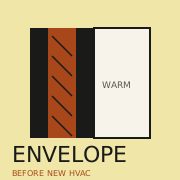
Interior window inserts are worth trying when drafts and thin glass waste heat and you are not ready to replace windows. They add an air-seal layer—fit and condensation management decide whether they help or fog.
What research and agencies say
-
DOE frames windows as a major comfort leak path
DOE Energy Saver window pages explain heat loss and gain through glazing and the value of layers and sealing before full replacement.
DOE Energy Saver — Windows (2026-10-22)
-
Air sealing complements any window strategy
DOE air-sealing guidance covers gaps around frames—inserts plus sealing beat inserts on a leaky jamb alone.
DOE Energy Saver — Air sealing (2026-10-22)
-
Seal-and-insulate framing before big glass spends
ENERGY STAR seal-and-insulate messaging supports envelope fixes that can precede costly window projects.
ENERGY STAR — Seal and Insulate (2026-10-22)
Who it’s not for
- Homes with already high-performance windows.
- Installs that trap moisture against historic sashes without a plan.
- Buyers unwilling to measure carefully.
The catch
Weatherstripping and cellular shades are cheaper first tests. Inserts shine on stubborn drafty panes you touch every winter.
Home & energy

FAQ
Rental-friendly?
Many inserts are removable—confirm landlord rules and avoid permanent damage.
Condensation?
Possible if moist indoor air hits a cold layer—vent and monitor; remove if water persists.
Who should skip?
Already-tight glass and poor-measurement DIY.
Sources
- DOE Energy Saver — Windows — 2026-10-22
- DOE Energy Saver — Air sealing — 2026-10-22
- ENERGY STAR — Seal and Insulate — 2026-10-22
Affiliate disclosure: product links, when present, may earn a commission. They never buy the verdict. Full ads policy.